


Determining the Greatest Odds for Social Good
How social venture investors can better track the performance of their investments, gauge their viability, and identify projects with the greatest chance of achieving social good.

How social venture investors can better track the performance of their investments, gauge their viability, and identify projects with the greatest chance of achieving social good.

In the last two years, this five-cylinder engine has propelled funders to break through historic barriers to change.

Why we need cross-sector physical, social, and digital assets to undergird next-gen technologies and how philanthropy can help fuel an equitable innovation ecosystem.

To cure the social sector’s metric monomania, we must get comfortable with complexity.

By investing in a talent pipeline of diverse public interest technologists, government and philanthropy can advance equity, expand opportunity, and make democracy work for the people.

To do as much good as possible with limited resources, funders should look to woefully underfunded protest movements.
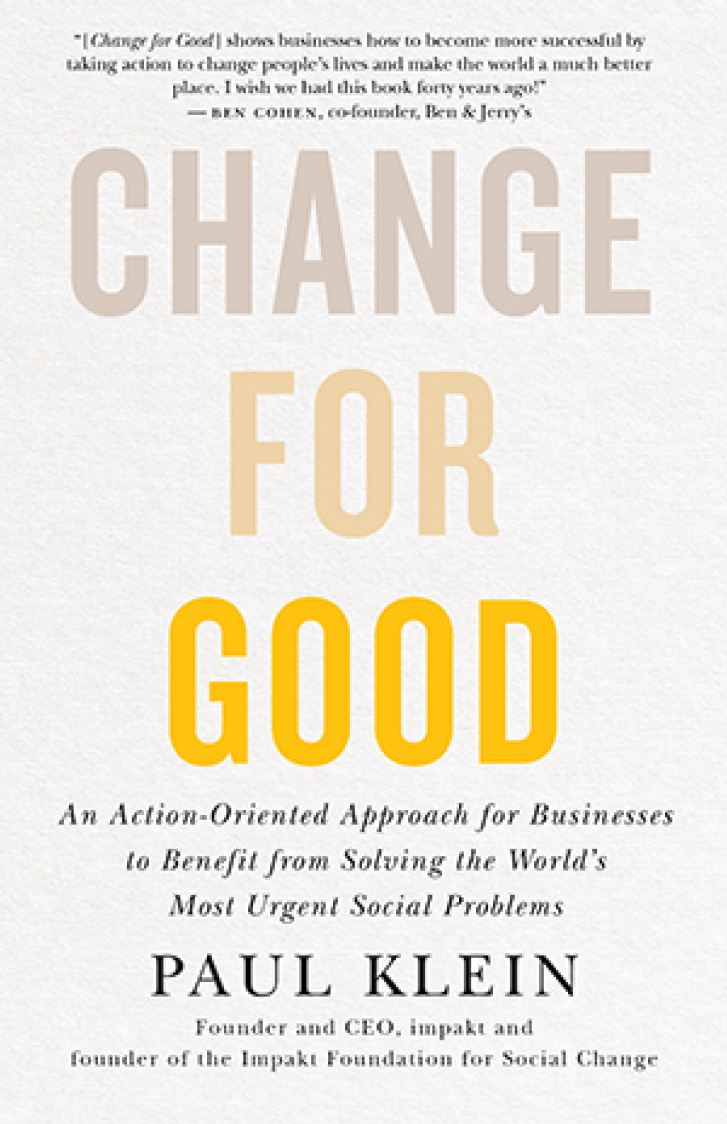
An excerpt from Change for Good on how businesses can shift from social responsibility to social change.

How a robust public interest technology field can overcome historical inequities and ensure that everyone can fully benefit from technology.

Recent rapid growth in climate philanthropy risks redundancy, waste, and friendly fire.
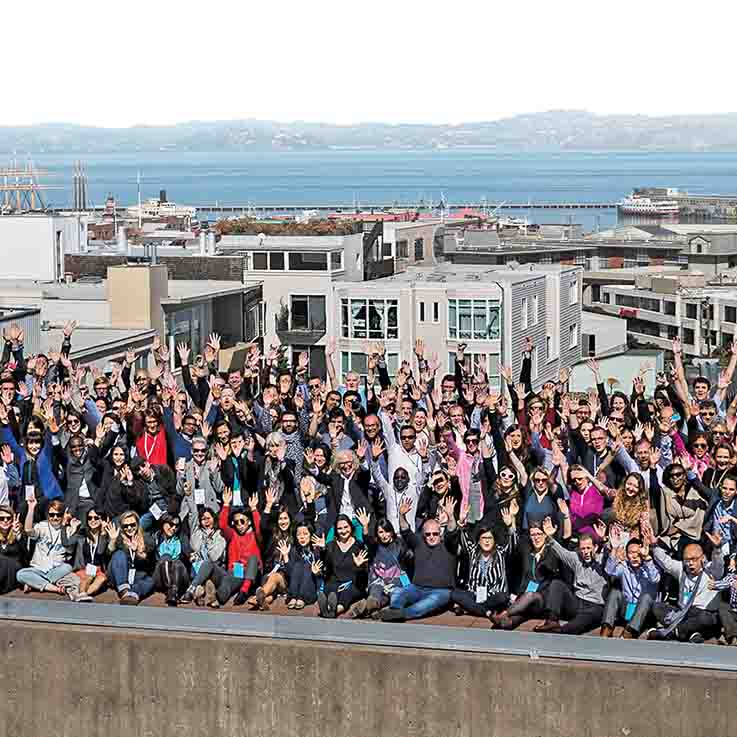
Lessons TechSoup learned from engaging stakeholders as impact investors to support their long-term growth.