

Making Sense of Wicked Problems
In Long Problems, Thomas Hale contends that effective political solutions to climate change are vexed by the issue of coordinating policies over protracted time horizons.
Reviews of new and notable titles (more)

In Long Problems, Thomas Hale contends that effective political solutions to climate change are vexed by the issue of coordinating policies over protracted time horizons.

Premilla Nadasen’s Care: The Highest Stage of Capitalism demonstrates how the labor of caring is a site of economic extraction.

Liquid Asset examines how the public and private sectors can better collaborate on our society’s pressing water problems.

Scholar and activist Christopher Paul Harris re-envisions the history of Black protest movements to argue for new politics based on pain, joy, and care.

In Becoming a Public Benefit Corporation, Michael B. Dorff contributes a well-balanced examination of the pros and cons of the benefit corporation.
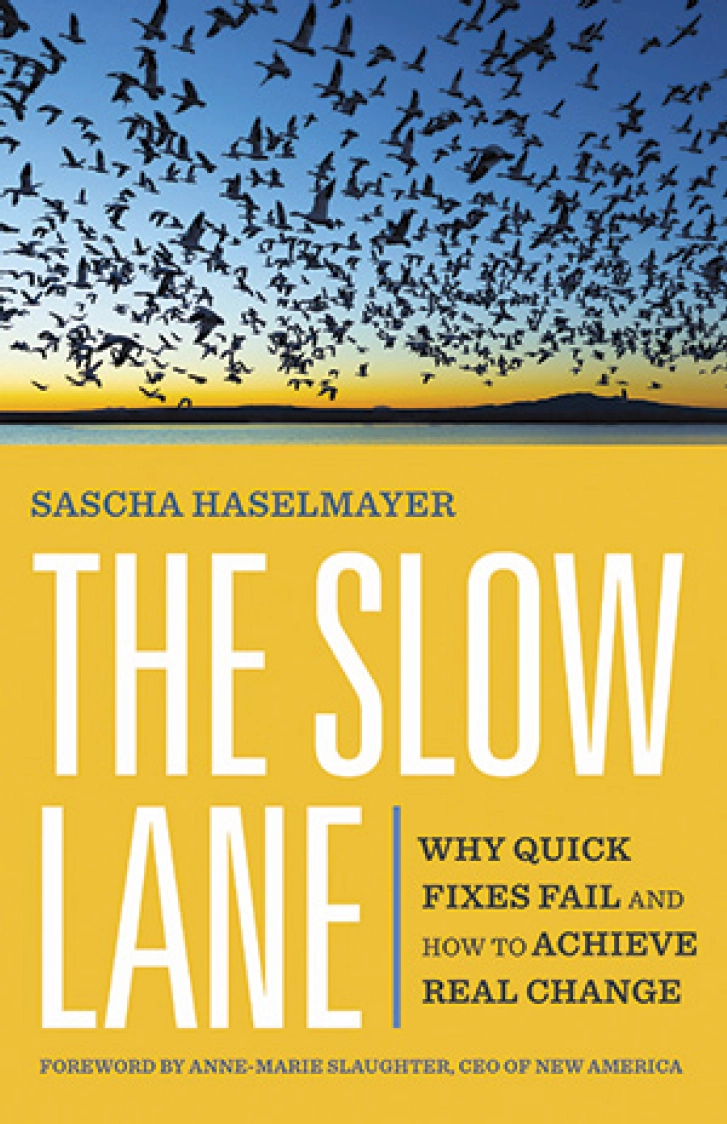
Social entrepreneur Sascha Haselmayer argues for slowness as the most effective method for creating lasting social change.
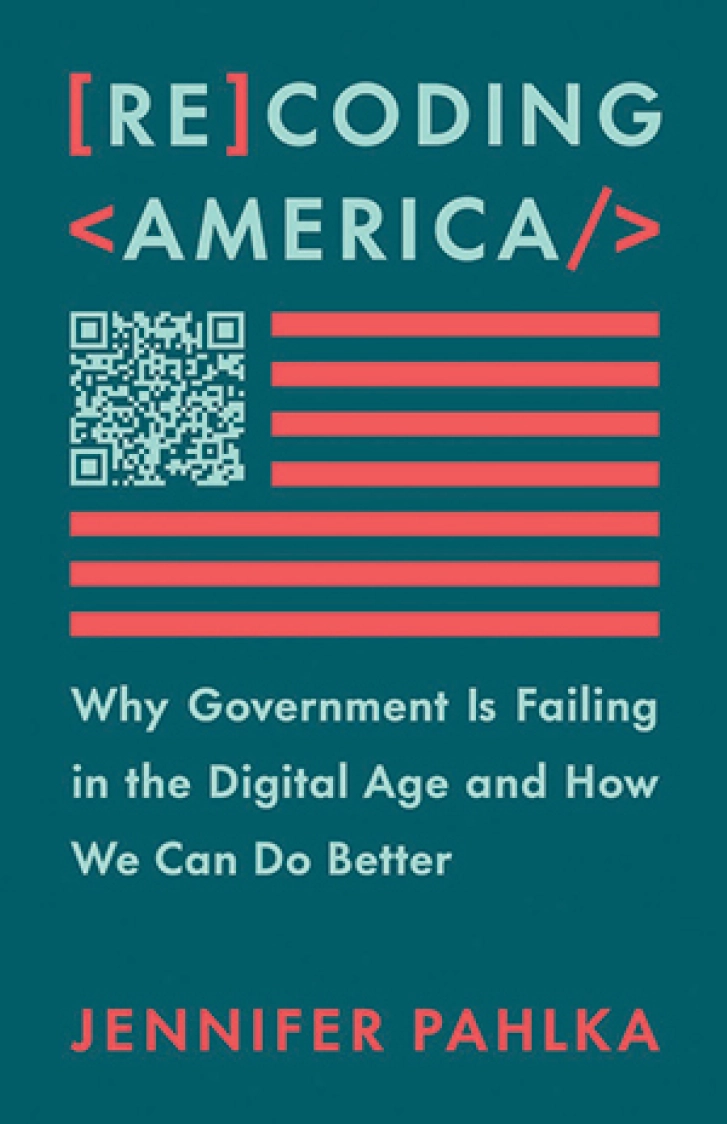
In Recoding America, Barack Obama’s former deputy chief technology officer argues that the success of government policies requires better implementation of digital services for the public.

In Poverty, by America, sociologist Matthew Desmond argues that America’s welfare state doesn’t help those who need it the most.

Organization theorist Henry Mintzberg offers a mixed bag of old and new ideas on organizational structures in his latest book.

The coauthors of For-Profit Philanthropy recommend policies to reestablish the public’s trust in philanthropy—but did it ever exist?