


Book Reviews | Education
Can Business Schools Reclaim Their Noble Purpose?
Andrew Hoffman argues for a reinvention of business education so that tomorrow's leaders can effectively tackle today's largest challenges.
Reviews of top books on social innovation
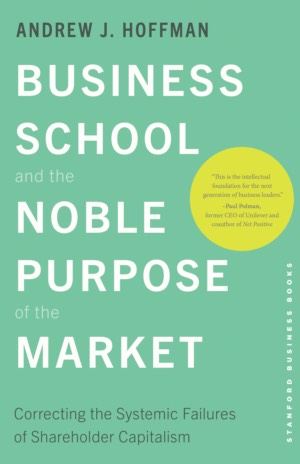
Andrew Hoffman argues for a reinvention of business education so that tomorrow's leaders can effectively tackle today's largest challenges.
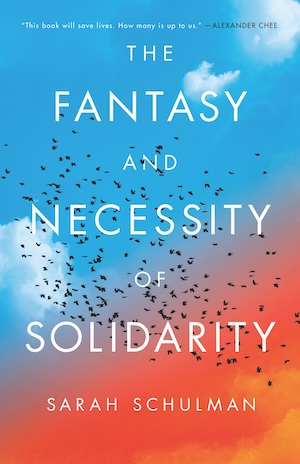
Iconoclast Sarah Schulman pulls from her decades of activism to present a passionate testimony on living a life of solidarity.
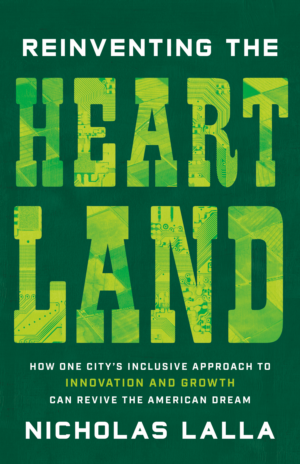
Urbanist Nicholas Lalla offers a playbook for tech-led economic development in midsize cities, avowing that inclusive growth can offset the worsening wealth inequities that the tech sector has helped generate.

D. Christopher Kayes offers a compassionate, albeit slim, guide to resilience-building for leaders.

In Terrible Beauty, Auden Schendler argues that by focusing on incremental rather than systemic change, the corporate sustainability movement has played into the fossil-fuel industry’s hands.

Decolonize Design founder Aida Mariam Davis challenges settler-colonialist paradigms to offer a new pathway to freedom for Black, Indigenous, and oppressed peoples.

AI does not herald the end of humanity—or it doesn’t have to, philosopher Shannon Vallor argues in The AI Mirror, if we decide to change its use and design.

In The Tech Coup, former politician turned AI policy analyst Marietje Schaake warns that governments have ceded too much power to Silicon Valley—to the detriment of the public good.

In Supercommunicators, Charles Duhigg presents an actionable guide to better communication, albeit one without groundbreaking insight.
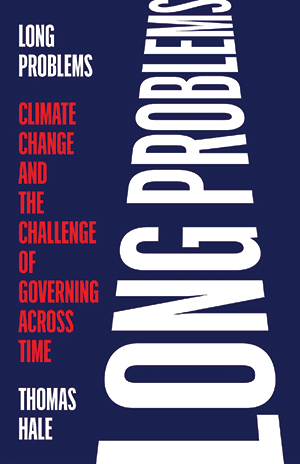
In Long Problems, Thomas Hale contends that effective political solutions to climate change are vexed by the issue of coordinating policies over protracted time horizons.