


Environment
Locked In
An excerpt from Sink or Swim on adapting to the climate change we can't prevent
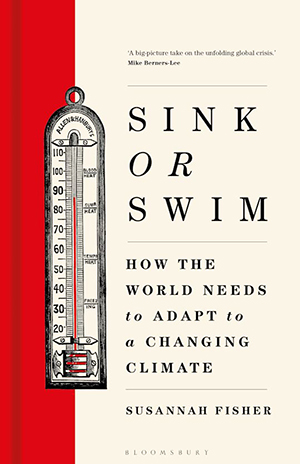
An excerpt from Sink or Swim on adapting to the climate change we can't prevent

Investing in people and places is an antidote to the climate crisis.

As regulatory rollbacks invite polluters to poison air, soil, and water, funders and advocates can respond by rallying around community-led solutions that prioritize health over corporate gain.

The fight to protect our communities and the environment is also a fight to protect democracy.

Renewables are more reliable and affordable compared to their oil- and gas-powered alternatives. Can they survive political headwinds and continue to make big gains in the United States?


The ground-up work to stop US oil and gas expansion and create new climate politics

Oil and gas's dominance over American life can feel like a David vs. Goliath story. Despite the odds, growing pushback in red, blue, and purple states shows that the Davids have more power than we might think—and philanthropy can help them win.

In Terrible Beauty, Auden Schendler argues that by focusing on incremental rather than systemic change, the corporate sustainability movement has played into the fossil-fuel industry’s hands.

If humanity is to survive the climate crisis, we must manage a just and orderly transition away from fossil fuels. The correct models for this resolution are triage, euthanasia, and hospice.
Open-access to this article made possible by University of Michigan.

A successful transition away from fossil fuels will require strong and vocal civil society organizations and social movements, along with government and business, to make the changes that are necessary if we are to avoid the calamities of global warming.