


Human Rights
Union Construction’s Racial Equity and Inclusion Charade
White men have taken extraordinary measures to keep construction unions white and have designed their unions to frustrate and intimidate prospective Black members.

White men have taken extraordinary measures to keep construction unions white and have designed their unions to frustrate and intimidate prospective Black members.

How white supremacy materializes at this threshold of workplace relations and power dynamics.

Four strategies for organizational activism—advocate, subvert, facilitate, and heal—can help the increasing number of people who want to challenge racism, sexism, heterosexism, ableism, and other injustices in the workplace.

Stereotypes and racial bias in hiring and promotion are damaging at personal, career, and organizational levels.

Social sector leaders who “speak for” marginalized groups engage in harmful behavior that excludes marginalized communities from making decisions that affect their lives.
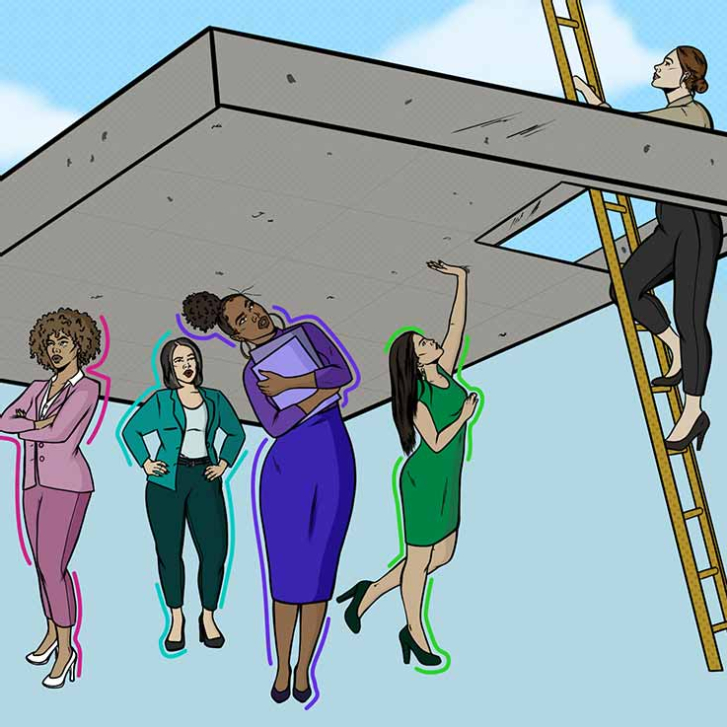
Despite increased dialogue around racial and gender bias and discrimination, women of color struggle to advance in their careers due to the rigidity of unjust systems.
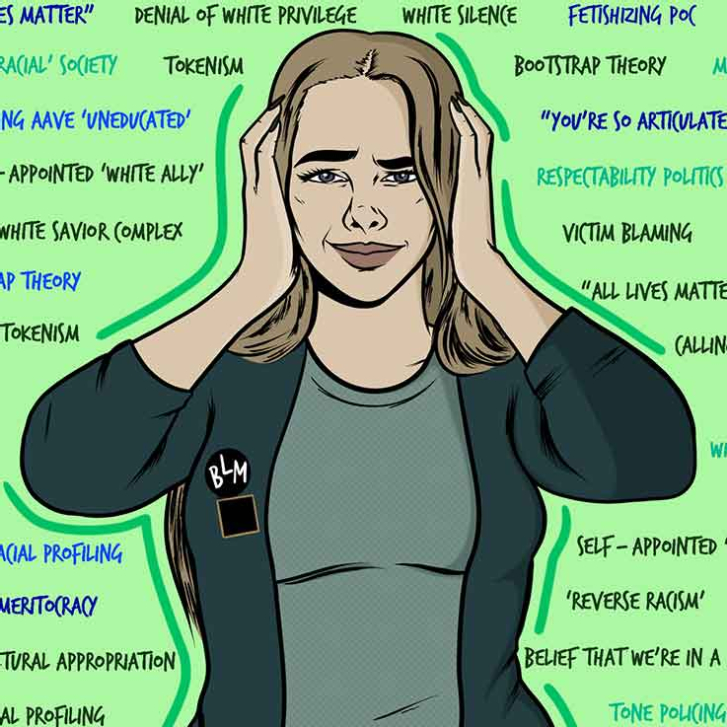
Racism denial, workplace inequity, and the futility of speaking out.

To build healthy, resilient organizations, nonprofits need to do more than adopt standard diversity, equity, and inclusion practices. They need to acknowledge systemic racism then commit to and implement processes to upend it.
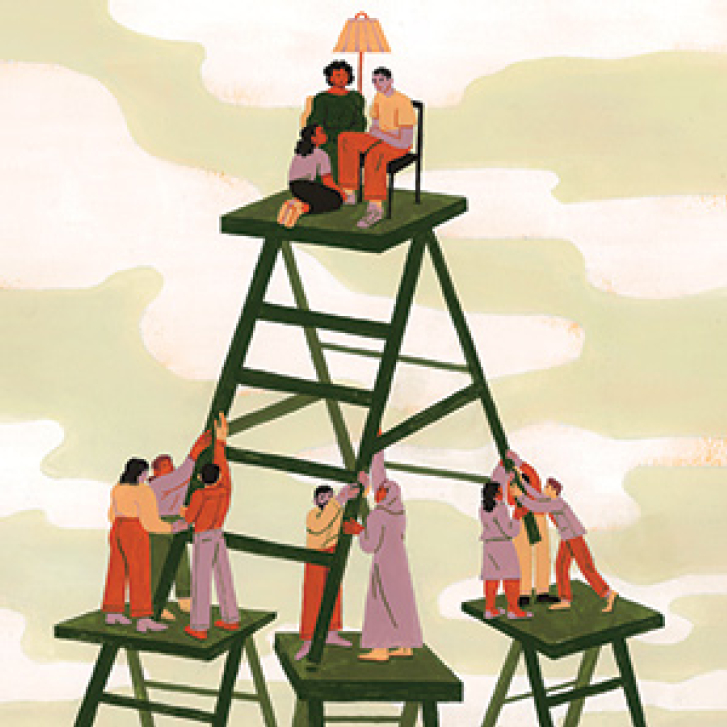
Nonprofits that serve communities of color struggle to survive because of systemic racial disparities and biases. To surmount these challenges, we recommend seven approaches that have emerged from our work with these communities.
The killing of George Floyd by Minneapolis police officers has ignited protests and focused the national discourse on institutional racism and how to eradicate it. SSIR's editors have assembled a list of resources to help leaders of social change and activists trying to put an end to this intractable American scourge.