


Health
The Costs of Misdiagnosis
Quality, not access, will define the future of global health. We've developed a platform to improve health-care quality worldwide.
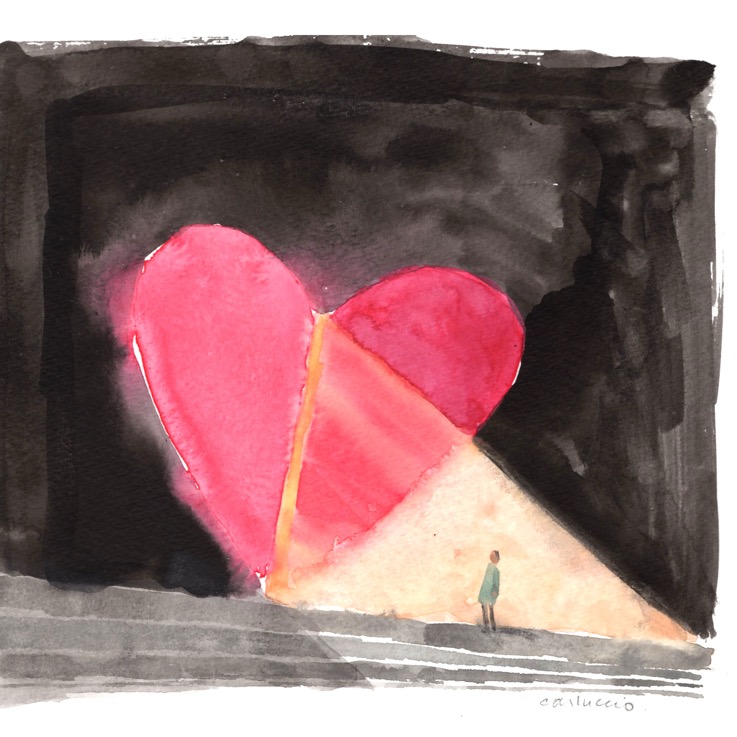
Quality, not access, will define the future of global health. We've developed a platform to improve health-care quality worldwide.
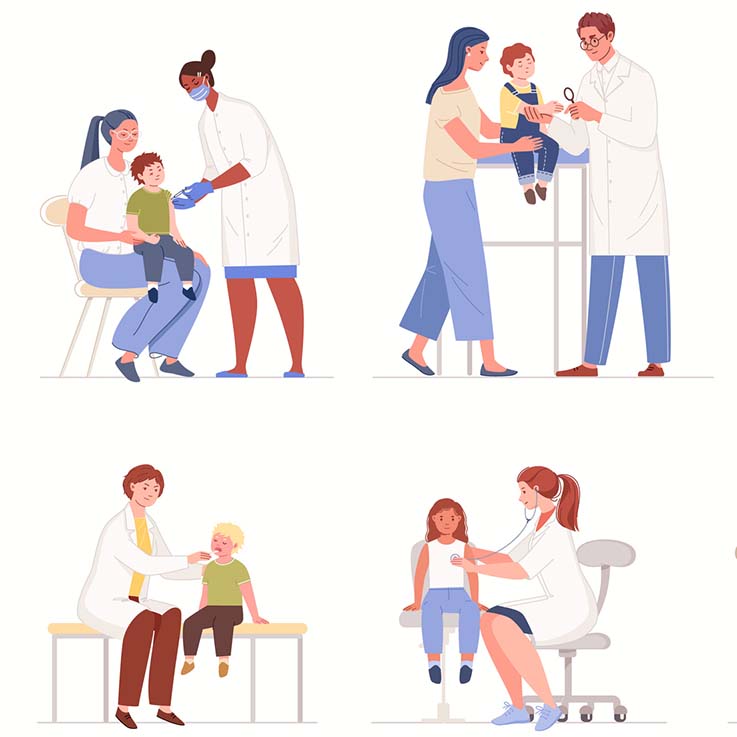
To create systemic change in health care for children, advocacy groups need to look to government.
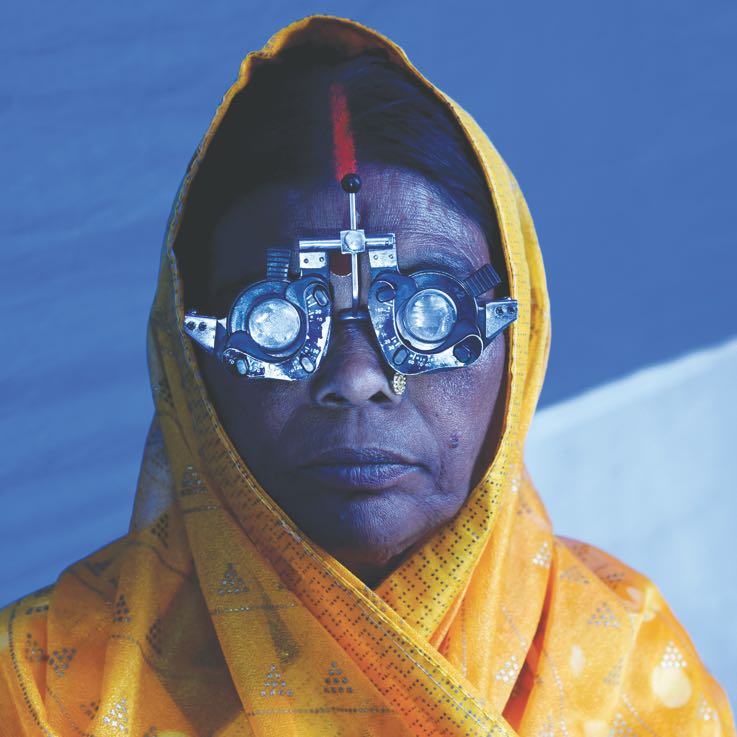
Hindu pilgrims access free health care on their way to the Makar Sankranti festival.
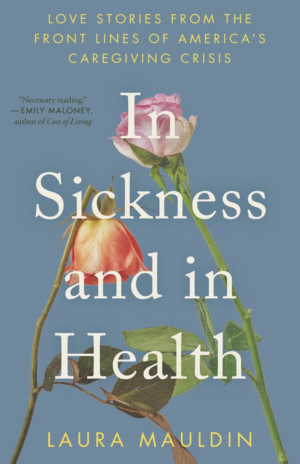
Laura Mauldin's In Sickness and in Health examines the plight of family caregivers and the ableism that causes them to suffer their burden alone.
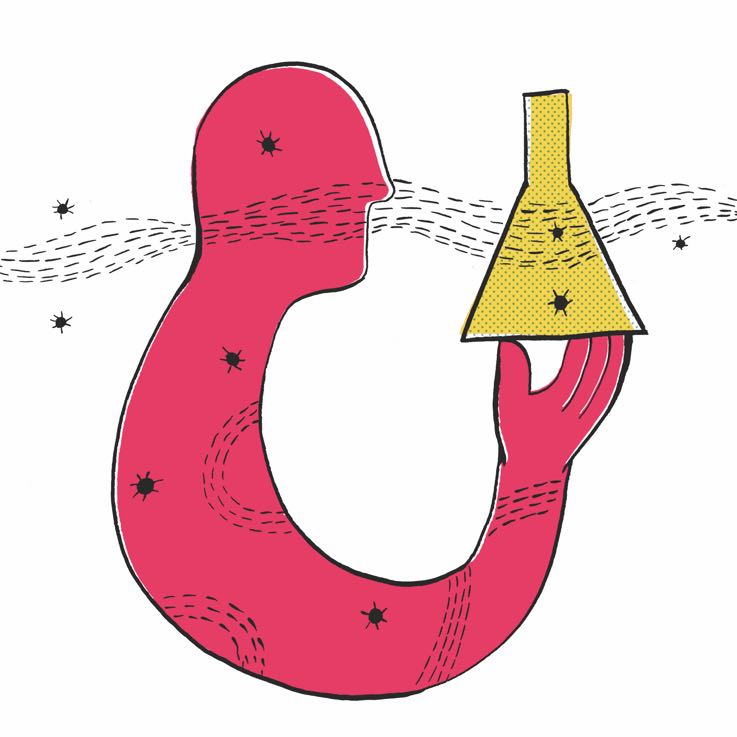
The COVID-19 pandemic shattered established views of airborne disease. Although it represents a paradigm shift in public health, the field has yet to catch up.

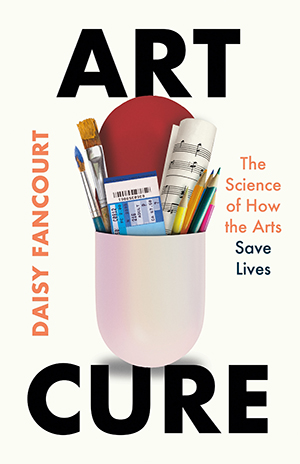
An excerpt from Daisy Fancourt’s Art Cure on the science behind the arts and healthier living
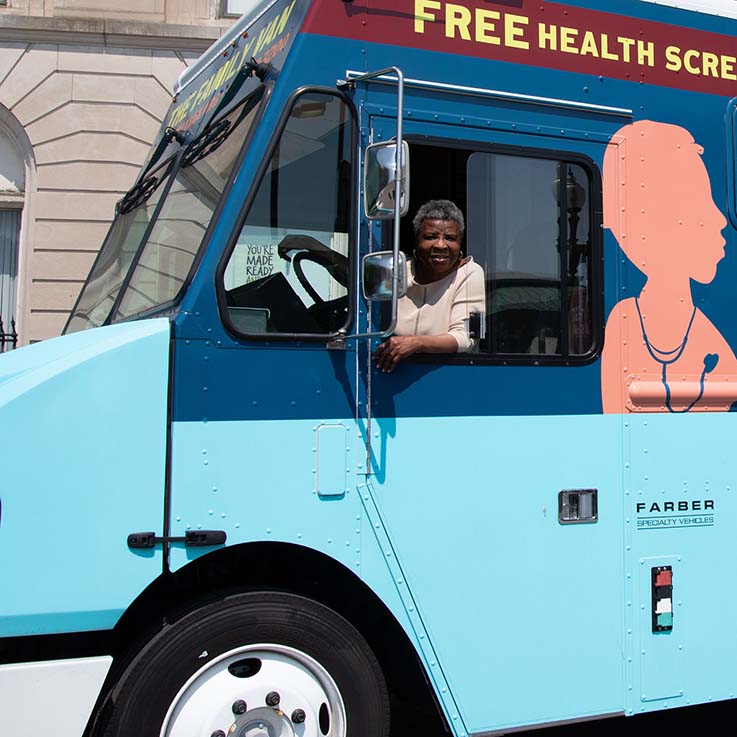
Scaling mobile health care can address long-standing health-care system distribution and prevention problems in the United States that cost people their lives.
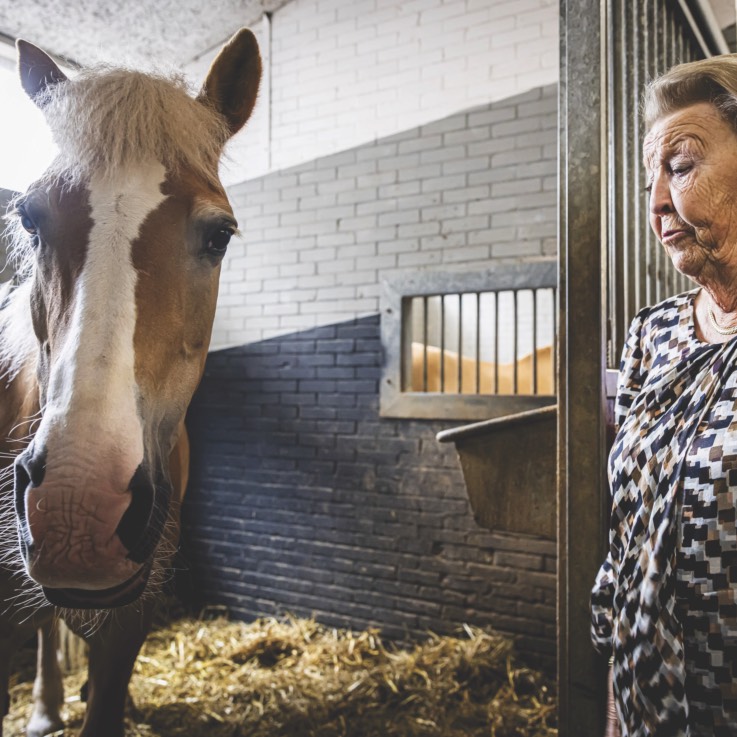
Princess Beatrix of the Netherlands greeted a chestnut mare as part of a visit marking the 60th anniversary of the foundation Riding for the Disabled.

Raven Indigenous Outcomes Funds has pioneered community-driven outcomes contracts to center Indigenous communities in Canada as leaders in addressing health and social problems. They present a bold new model for outcomes purchasing.

By streamlining tasks, Avalon Health AI seeks to boost the health-care sector's efficiency in Zimbabwe.