


Environment
Plan C for Greening Business
Engaging directly with business was never the environmental movement’s first choice—and for good reason.
Innovations in environmental and social behavior that enable organizations and society to operate for the long term

Engaging directly with business was never the environmental movement’s first choice—and for good reason.

Aiming for sustainability has not fundamentally altered the environmentally destructive effects of business. Only by embracing regeneration as a model can we meet the challenges posed by today’s biggest global crises.

Current scientific approaches to agricultural sustainability may in some contexts prove counterproductive to environmental preservation.
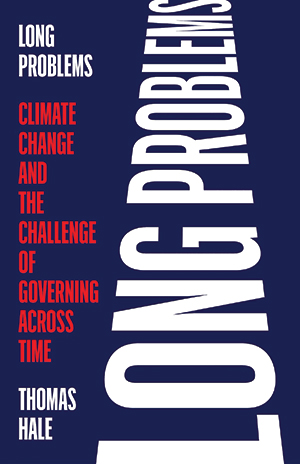
In Long Problems, Thomas Hale contends that effective political solutions to climate change are vexed by the issue of coordinating policies over protracted time horizons.
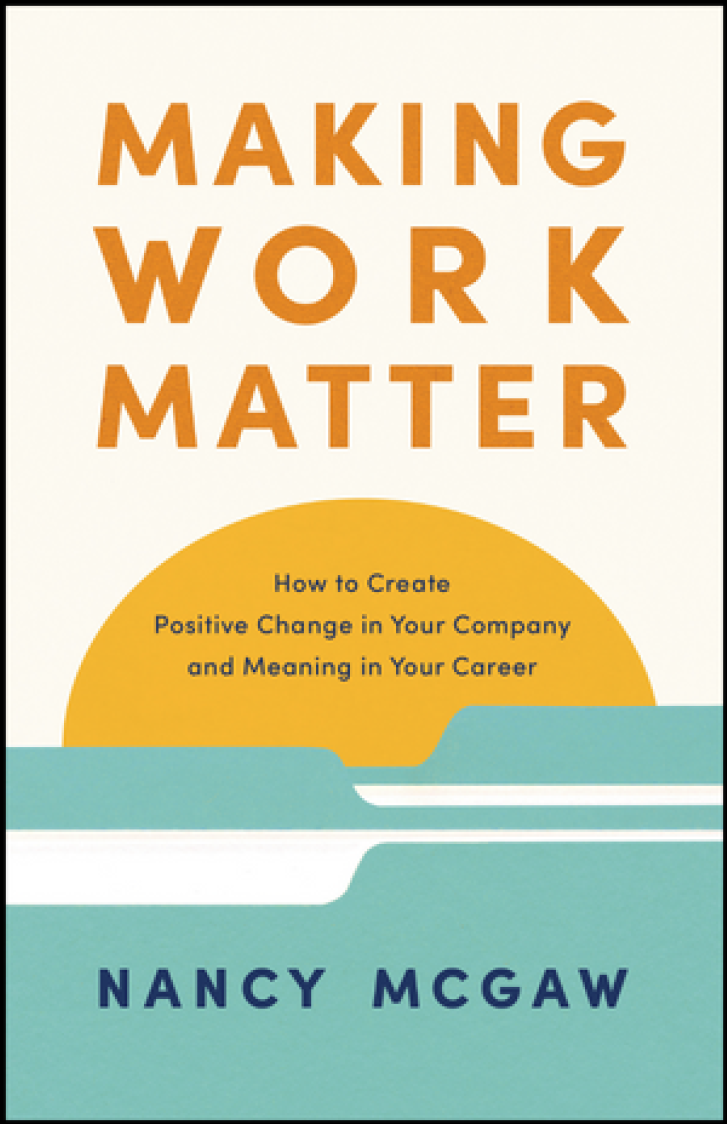
An excerpt from Making Work Matter on developing impactful leadership
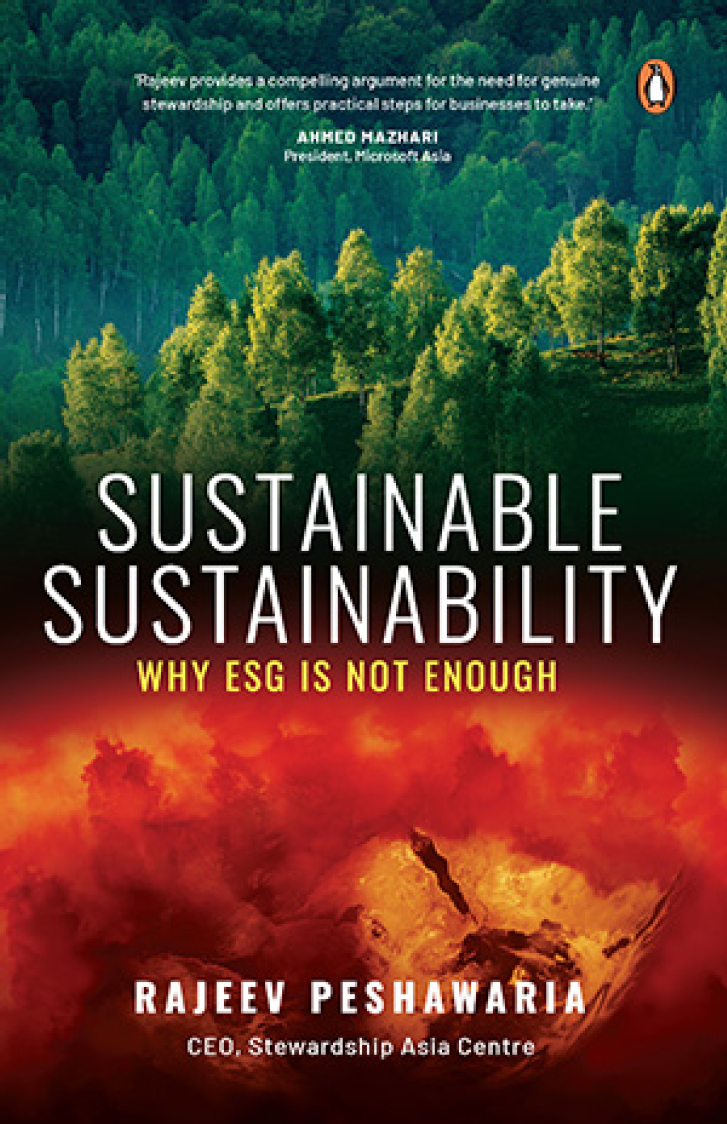

To reduce global consumption, entirely new value-creation models must be created that can integrate renewable resources into unsustainable industries.
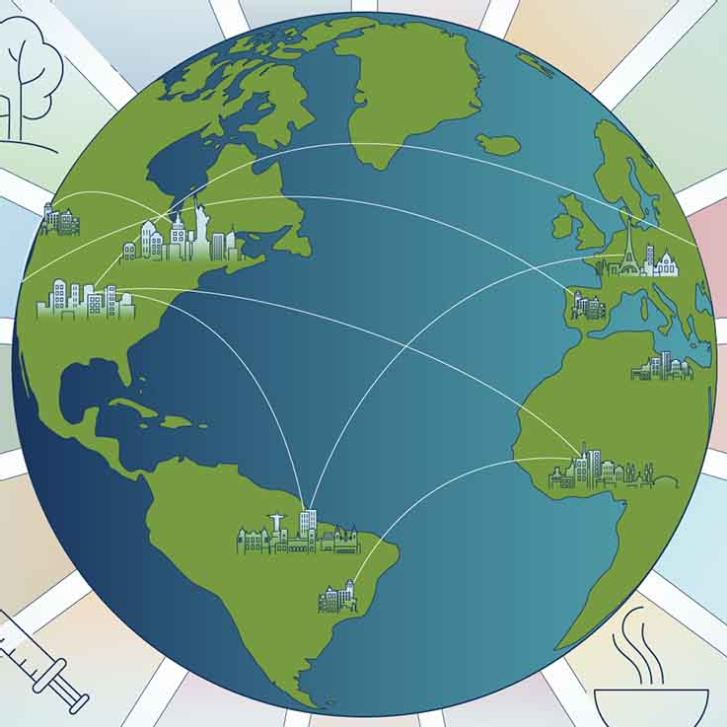
Learning from global peers and using the sustainable development goals as a framework for measuring progress, US cities are accelerating solutions to social problems.

Ken Pucker responds to his readers’ critiques of his Up for Debate article “A Circle That Isn’t Easily Squared” and reiterates his call for a systemic shift in how the fashion industry does business.

Funders must examine how to realistically drive measurable progress on sustainability in the fashion industry.