


Philanthropy & Funding
The Language of Crowdfunding
Appeals for donations should be strategic about framing the request in terms of “need” or “want.”
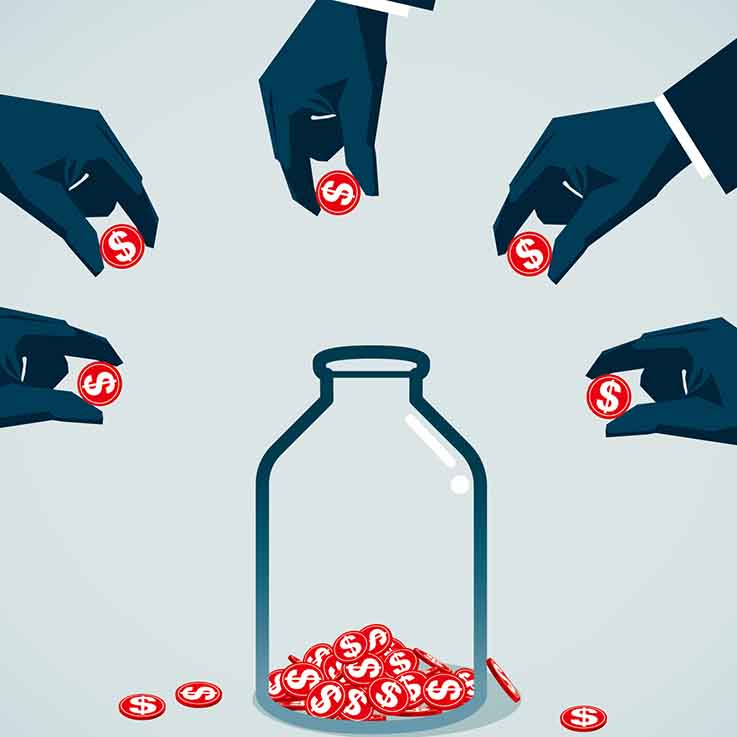
Appeals for donations should be strategic about framing the request in terms of “need” or “want.”

OneVillage Partners is transforming the meaning of partnership by shifting from community-led programs to becoming a community-led organization. | Open access to this article is made possible by OneVillage Partners.
An excerpt from Advising Philanthropists on how advisors support better philanthropy


Previewing one of the great debates of the coming decade.

We’re all better off when we’re all better off.
An excerpt from Giving Now on applying a human rights framework to philanthropy

Aligned objectives, clear decision-making structures, knowledge flows, adaptability, and assuring utility for grantee partners.

In this moment of crisis, donors must use all the tools available to protect American democracy. Tax-deductible philanthropy alone is insufficient.
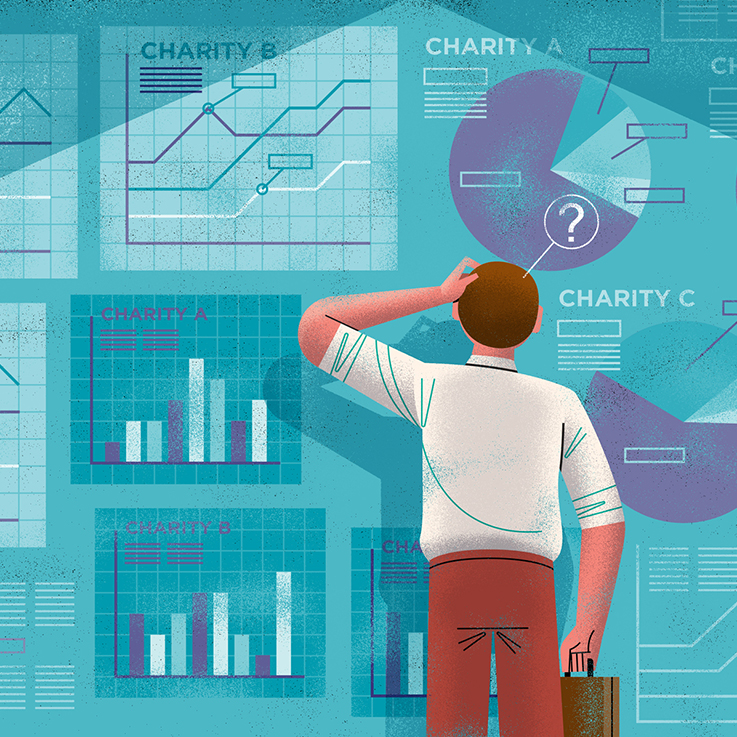
A recent study shows that comparable, easily digestible metrics shifted donations from charities with only a good pitch to those with demonstrable results.