



Organizational Development
Decentralized Workplace
Companies that adopt nonhierarchical organizational structures require deliberate efforts and collective planning to succeed.

Today’s communications landscape demands that social sector organizations move away from a 20th-century broadcasting approach and toward dialogue, relationship-building, and fostering community.
Companies that adopt nonhierarchical organizational structures require deliberate efforts and collective planning to succeed.

Bringing different organizations’ cultures together and building an effective inter-organizational culture can be done, but only if participants are savvy and intentional about culture.
Two humanitarian leaders working on the front lines of disaster and conflict recently cofounded The Aid Cloud, an innovative platform that connects private funding with local humanitarian organizations in a post-USAID world. N Hlaing and Jose Ravano speak with host Barbara Wheeler-Bride about the funding gaps in humanitarian and development work right now, why it’s often difficult for aid to arrive quickly in a crisis, and why it’s crucial to fund local organizations directly when communities are vulnerable. Giving With Impact is developed with the support of DAFgiving360®
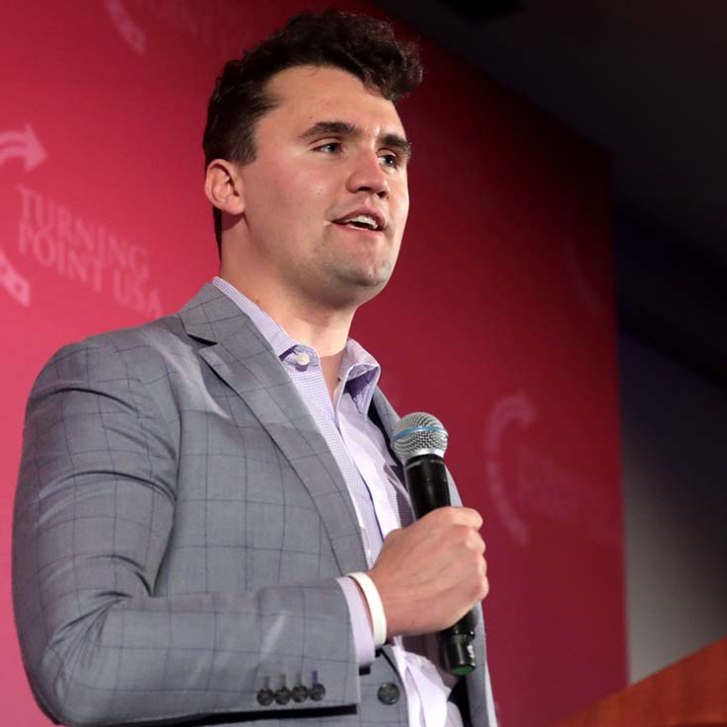
The Turning Point USA founder's obituaries invoked his desire to build a conservative MoveOn. What he built instead is revealing about the structure, strategies, and outcomes of political advocacy organizations.

For all the benefits of philanthropy's turn toward learning, the field still needs a stronger focus on how to make judgments.
Impact investing has grown exponentially over the past 20 years. How is the field evolving? What are the new approaches and strategies that are making impact investing more accessible and appealing to funders of all sizes? How can the curious get started? Megan Kashner from Northwestern University’s Kellogg School of Management joins the show to address critiques levied at the field and how to tell if an investment is having an impact. Giving With Impact is developed with the support of DAFgiving360®

As federal funding disappears and community organizations close, much of the power to respond sits with foundation boards—and the moment to use it is now.


Funders are calling for more program evaluation, but nonprofits are often collecting dubious data, at great cost to themselves and ultimately to the people they serve.

Large-scale social change requires broad cross-sector coordination, not the isolated intervention of individual organizations.

For NGOs, impact comes in different forms and to track the cycles of social change work, we must think across the tangibility and the speed of emergence of change.

With an understanding of these 10 funding models, nonprofit leaders can use the for-profit world's valuable practice of engaging in succinct and clear conversations about long-term financial strategy.

Professionalism has become coded language for white favoritism in workplace practices that more often than not leave behind people of color. This is the fourth of 10 articles in a special series about diversity, equity, and inclusion.